
If you've hosted a summer gathering recently, there's a good chance gin made an appearance.
Maybe it showed up in a spritz served before dinner. Maybe someone ordered a martini instead of a glass of wine. Or perhaps a simple gin cocktail quietly became the drink everyone kept asking for throughout the evening.
That's part of what makes the inaugural World Gin Week feel so timely.
Running between World Gin Day and World Martini Day, World Gin Week is a global celebration of one of the world's most enduring spirits. While gin has enjoyed periods of popularity before, today's resurgence feels different. It's less about cocktail culture for cocktail culture's sake and more about the way people are gathering, entertaining, and looking for drinks that feel both elevated and approachable.
Running between World Gin Day and World Martini Day, World Gin Week highlights both the history and future of the category. For longtime gin enthusiasts, it's an opportunity to revisit classic cocktails like the Martini and Gin & Tonic. For newer drinkers, it's a chance to explore the world of botanical gin, discover fresh summer gin cocktails, and experiment with flavors that extend far beyond what many people traditionally expect from the spirit.
Over the last several years, consumers have become increasingly interested in quality ingredients, botanical flavors, and cocktails that are easy to enjoy at home. At the same time, entertaining has become more relaxed. Dinner parties are less formal, outdoor gatherings are more common, and many hosts are looking for simple ways to make guests feel welcome without spending the entire evening behind the bar.
Gin happens to fit perfectly into that shift.
With its botanical complexity, versatility, and ability to pair beautifully with fresh seasonal ingredients, gin has become a favorite for everything from brunches and backyard gatherings to cocktail hours and dinner parties. If the first golden age of gin was about perfecting the classics, today's era is about discovering new ways to enjoy them.
Why Gin Cocktails Are More Popular Than Ever
For decades, gin was largely defined by a handful of iconic cocktails.
The Martini. The Gin & Tonic. The Gimlet.
Those drinks remain classics for good reason, but today's gin culture extends far beyond them.
One reason is that modern drinkers are looking for balance. They want cocktails that feel thoughtful and flavorful without requiring a long list of ingredients or complicated preparation. Gin naturally delivers on that promise. Because it arrives with layers of flavor already built in, even a simple cocktail can feel interesting and complete.
A splash of sparkling water. A squeeze of citrus. A handful of fresh herbs.
That's often all it takes.
The rise of home entertaining has also played a role. People are increasingly hosting smaller gatherings where the focus is less on impressing guests and more on creating a comfortable experience. Gin works particularly well in these settings because it can easily transition from a pre-dinner spritz to a classic cocktail later in the evening.
It's one of the few spirits that feels equally at home in a casual backyard setting and a more elevated dinner party.
That flexibility has helped gin become a go-to choice for modern hosts.
The Rise of Botanical Gin
Another reason gin is thriving right now is the growing appreciation for flavor itself.
Across food and beverage culture, people are paying closer attention to ingredients. They're exploring herbal teas, botanical beverages, fresh produce, and globally inspired flavors. They're interested in what goes into what they consume and how those ingredients contribute to the overall experience.
Gin has always been uniquely positioned within that conversation.
Unlike many spirits, whose flavors are shaped primarily through aging or barrel influence, gin derives much of its character from botanicals. Juniper forms the foundation, but citrus peels, herbs, roots, spices, and florals all contribute to the finished spirit.
The result is a category that offers incredible diversity while remaining unmistakably gin.
Some expressions lean bright and citrus-forward. Others emphasize spice, florals, or herbaceous notes. Each botanical combination creates a slightly different experience, giving cocktail enthusiasts endless opportunities to explore.
That spirit of exploration is one of the defining characteristics of today's gin renaissance.
Rather than relying solely on tradition, distillers are experimenting with ingredients, techniques, and flavor profiles that expand what gin can be.
A New Expression of Gin
At Holistic Spirits Co., Harmony Gin was created with that same spirit of exploration in mind.
Crafted with juniper, coriander, hyssop, citrus peels, angelica, and orris root, Harmony Gin brings together classic gin botanicals with a modern perspective. Each ingredient contributes something different, creating a layered flavor profile that is bright, balanced, and versatile enough to work across a wide range of cocktails.
Harmony Gin also challenges expectations visually.
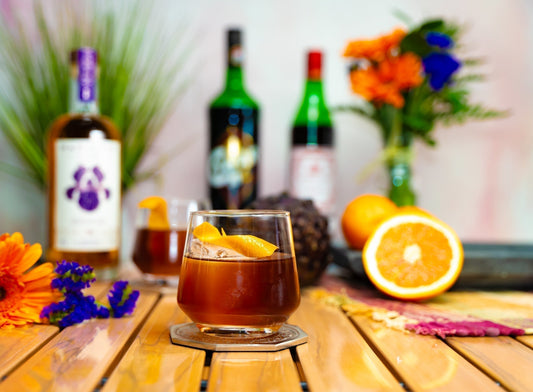
While most people expect gin to be crystal clear, Harmony Gin's distinctive rose hue immediately sparks conversation. It's a reminder that today's gin category is evolving in exciting ways while remaining rooted in the traditions that made it beloved in the first place.
The color may be what catches your attention initially, but it's the botanical complexity that keeps you coming back.
In many ways, that reflects where gin finds itself today. The category continues to honor the classics while embracing creativity, curiosity, and new possibilities.
Three Gin Cocktails to Try During World Gin Week
One of the easiest ways to celebrate World Gin Week is to gather a few friends, open a bottle of great gin, and mix something simple.
These cocktails highlight some of the biggest trends shaping modern gin culture, including lighter serves, botanical flavors, and refreshing seasonal ingredients.
Harmony Hugo Spritz
Light, floral, and made for long summer afternoons.
The Hugo Spritz has become a favorite for summer entertaining thanks to its bright elderflower notes, refreshing bubbles, and effortless drinkability. Harmony Gin adds botanical depth that complements the floral character of the cocktail while keeping it crisp and refreshing.

Ingredients
- 2 oz Harmony Gin
- 1 oz elderflower liqueur
- 3 oz prosecco
- Splash of sparkling water
- Mint sprig & lime wheel
Instructions
Fill a wine glass with ice. Add Harmony Gin, elderflower liqueur, and prosecco. Top with sparkling water and stir gently. Garnish with mint and lime.
_____
Harmony 50/50 Martini
A lighter, more approachable take on a classic.
Ingredients
- 1½ oz Harmony Gin
- 1½ oz Dolin Blanc Vermouth or Lillet Blanc
- Lemon twist
Instructions
Add ingredients to a mixing glass filled with ice and stir until well chilled. Strain into a chilled martini glass and garnish with a lemon twist.
The 50/50 Martini has become increasingly popular among bartenders and cocktail enthusiasts looking for a lower-proof, more botanical-forward take on one of the world's most iconic gin cocktails. It's also a fitting way to celebrate World Martini Day during World Gin Week.
_____
Harmony Pink Pony
Bright, refreshing, and built for long afternoons that turn into evening plans.
Ingredients
- 1½ oz Harmony Gin
- 1 oz Lillet Blanc Vermouth
- 2 oz pink grapefruit juice
- Club Soda
- Grapefruit wheel
Instructions
Fill a wine glass or large rocks glass with ice. Add Harmony Gin, Lillet Blanc, and pink grapefruit juice. Stir gently to combine, then top with club soda. Garnish with a grapefruit wheel.
Why We Love It
This cocktail highlights two of the biggest trends shaping modern gin culture: lighter aperitif-style serves and bright citrus flavors. The combination of botanical gin, Lillet Blanc, and fresh grapefruit creates a cocktail that feels elegant without being complicated, exactly the kind of drink that works for casual entertaining, brunch gatherings, or a warm summer evening with friends.
How to Celebrate World Gin Week at Home
The best part about World Gin Week is that it doesn't require reservations, tickets, or elaborate plans.
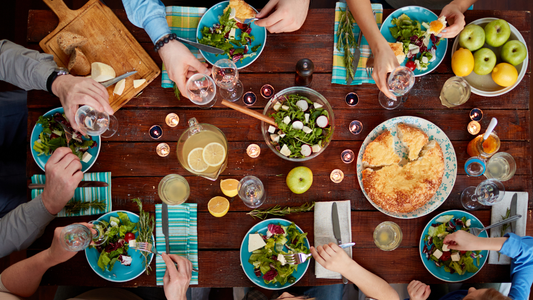
Some of the most memorable celebrations happen around a kitchen island, on a back patio, or at a dining table surrounded by friends.
If you're new to gin, World Gin Week is also a great excuse to experiment with different styles of cocktails. Try serving a bright spritz before dinner, a Collins with seasonal produce during the afternoon, and a classic martini in the evening. You'll quickly discover why gin has become one of the most versatile spirits for entertaining at home.
If you're hosting, consider choosing a single signature cocktail for the evening rather than offering a full menu. A Hugo Spritz or Harmony Pink Pony can easily be prepared in batches, allowing you to spend more time with guests and less time mixing drinks.
Fresh garnishes also go a long way. A bowl of citrus wheels, cucumber ribbons, mint sprigs, or fresh herbs instantly elevates the experience while letting guests personalize their cocktails.
Pair your drinks with seasonal foods that complement gin's botanical character. Fresh seafood, grilled vegetables, summer salads, soft cheeses, and citrus-forward dishes all work beautifully.
Most importantly, keep it simple.
The spirit of World Gin Week isn't about mastering complicated recipes. It's about taking a moment to appreciate great ingredients, good company, and the rituals that bring people together.
Why We Love Gin Right Now
What makes gin particularly interesting today isn't simply its flavor.
It's its adaptability.
Gin can be refreshing or sophisticated. It can be served in a spritz, a martini, a Collins, or a classic Gin & Tonic. It works just as well at a casual backyard gathering as it does at a formal dinner party.
That versatility has helped make gin one of the defining spirits of modern entertaining.
As more people embrace hosting at home and creating meaningful moments around food and drink, gin offers a simple way to elevate the experience without making it feel complicated.
That's a large part of why World Gin Week resonates.
It celebrates not only a spirit, but the culture that surrounds it.
__________
Frequently Asked Questions
What is World Gin Week?
World Gin Week is a global celebration taking place June 13–20, 2026. The week connects World Gin Day and World Martini Day through events, tastings, cocktail experiences, and educational opportunities centered around gin.
What is botanical gin?
Botanical gin is flavored with ingredients such as juniper, citrus peels, herbs, roots, spices, and florals. These botanicals create the unique aroma and flavor profiles that distinguish one gin from another.
What are the best summer gin cocktails?
Popular summer gin cocktails include the Hugo Spritz, Gin & Tonic, Collins, Gimlet, Martini, and other citrus-forward or botanical cocktails that highlight fresh seasonal ingredients.
What makes Harmony Gin different?
Harmony Gin is crafted with a blend of juniper, coriander, hyssop, citrus peels, angelica, and orris root, creating a layered botanical profile and distinctive rose hue that reflects the creativity and exploration happening throughout today's gin category.
As we celebrate World Gin Week, we're reminded that some of the best cocktails are also the simplest. They're the drinks shared before dinner, poured for friends on a warm evening, or enjoyed during conversations that last longer than expected.
If the first golden age of gin was about perfecting the classics, the second is about bringing them into modern life. New botanicals, new occasions, and new traditions are helping shape the future of the category while reminding us of something gin has always done exceptionally well: bringing people together around a great cocktail.